AI is great at diagnostics,
but it doesn’t have the
necessary data.
Until now.
Models are getting very good at finding patterns across hundreds of biomarkers. Nobody has been able to measure them fast enough, cheap enough, and with enough precision. IRIS solves that.
Our TX-100 tabletop analyzer is working. We are pursuing FDA clearance to bring it to the bedside. It is being built to pair the speed and cost of a rapid test with the sensitivity and multiplexing of a central lab.
One small sample, hundreds
of measurements, minutes.
of sample per single-use cartridge
biomarkers measured simultaneously on one chip
probe spots imaged on a single chip
from sample to result at the bedside
These are specs for the TX-100 tabletop analyzer, which is pursuing FDA clearance.
How our
system works.
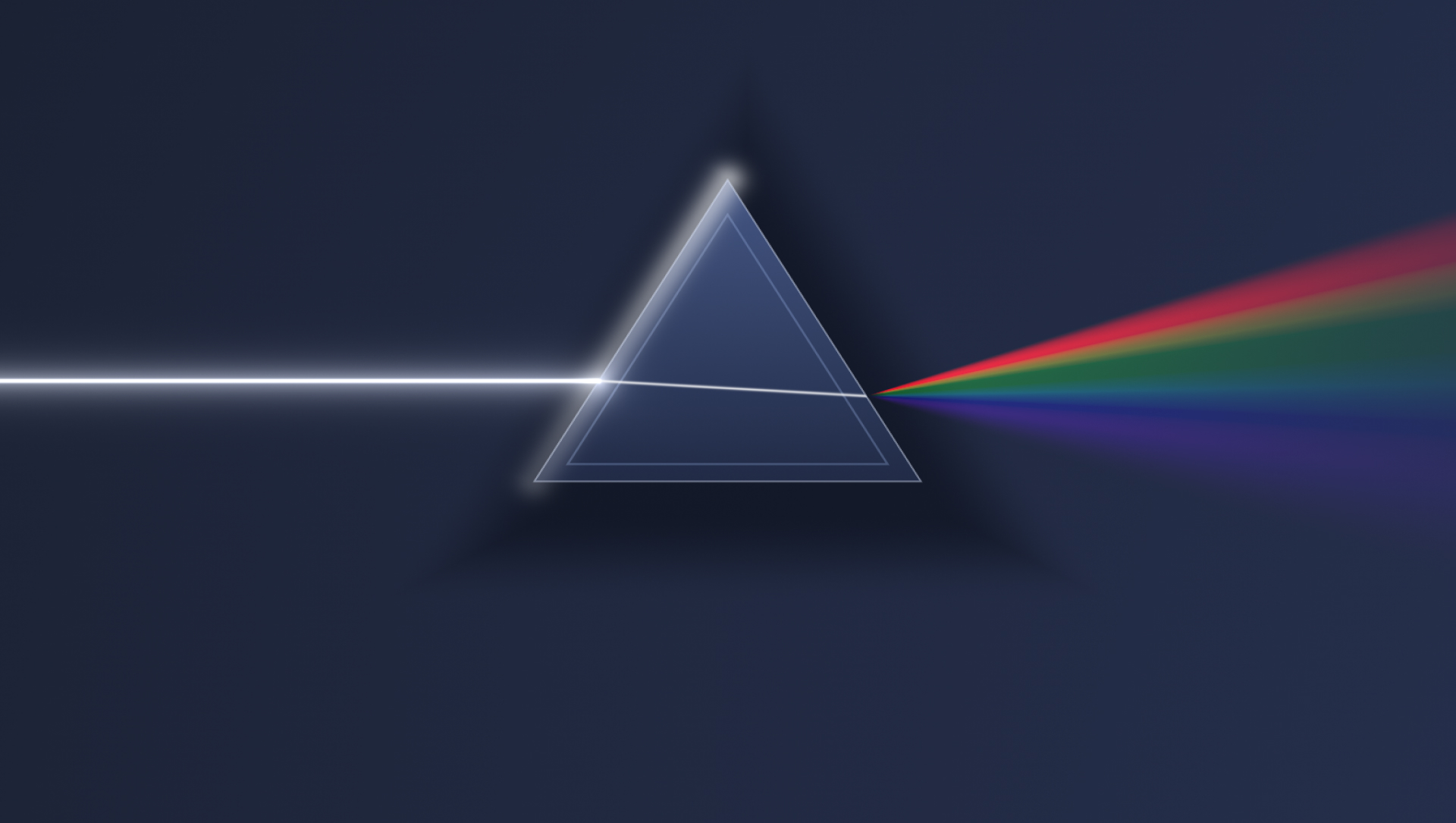
Diagram. White light dispersed by a prism; the fan is widened for legibility. The instrument reads reflected light at a set of chosen wavelengths, and a thickening film shifts which of them reflect strongly.
Our chip catches
the biology.
How the technology works 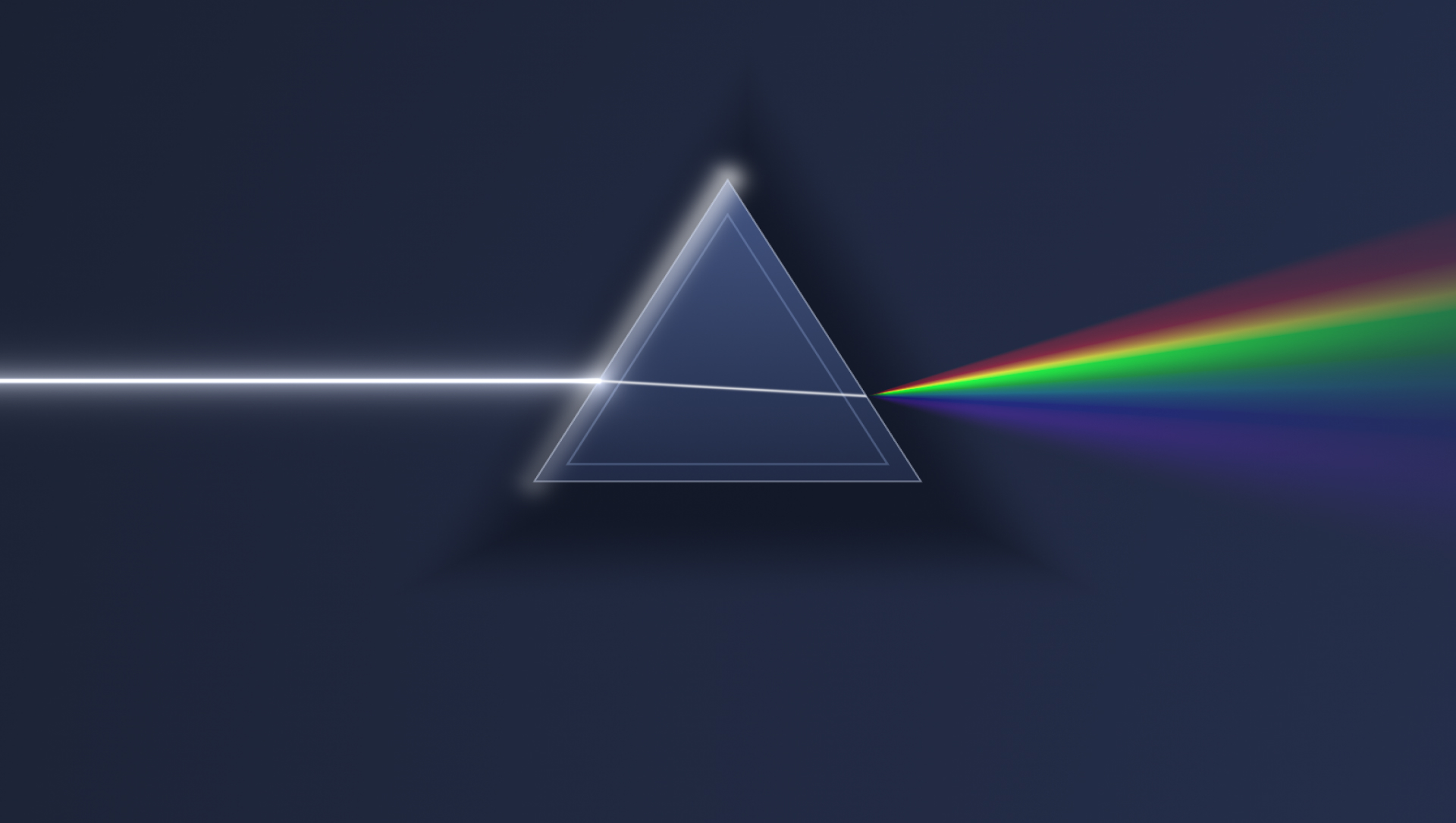
Light does
the measuring.
How the technology works 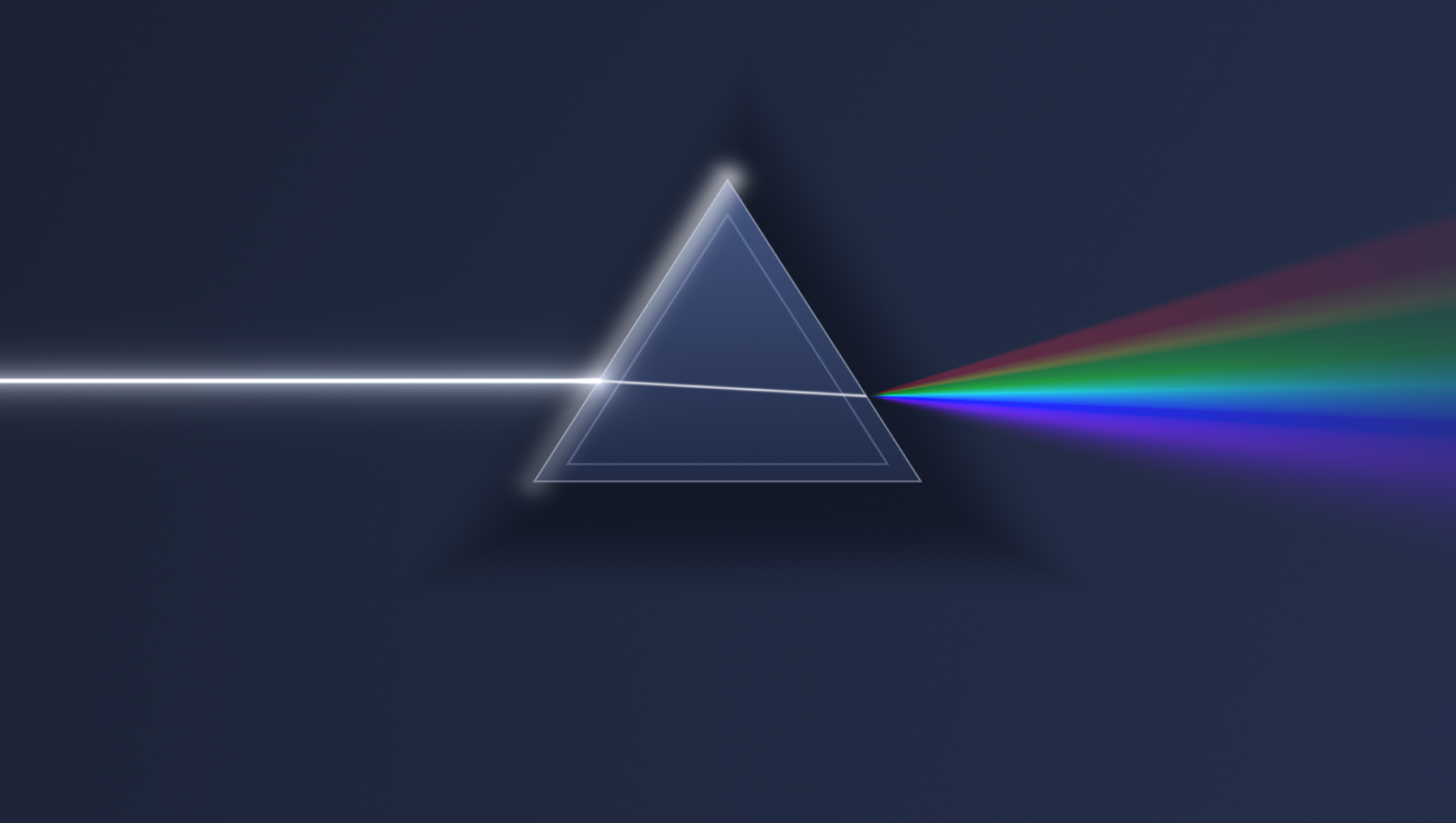
A sensor reads
it all at once.
How the technology works 
Our first target: Critical Care
Life saving
diagnoses need fast,
accurate data
How IRIS helps medical professionals
ICUs have limited diagnostic capability
on tight time lines. They need answers fast.
IRIS provides them.
Phenotype A
Phenotype B
Representative surfaces, not patient results.
IRIS architecture is designed for cardiac, sepsis, neurological panels, and more.
The same chip that powers research,
brought to the bedside.
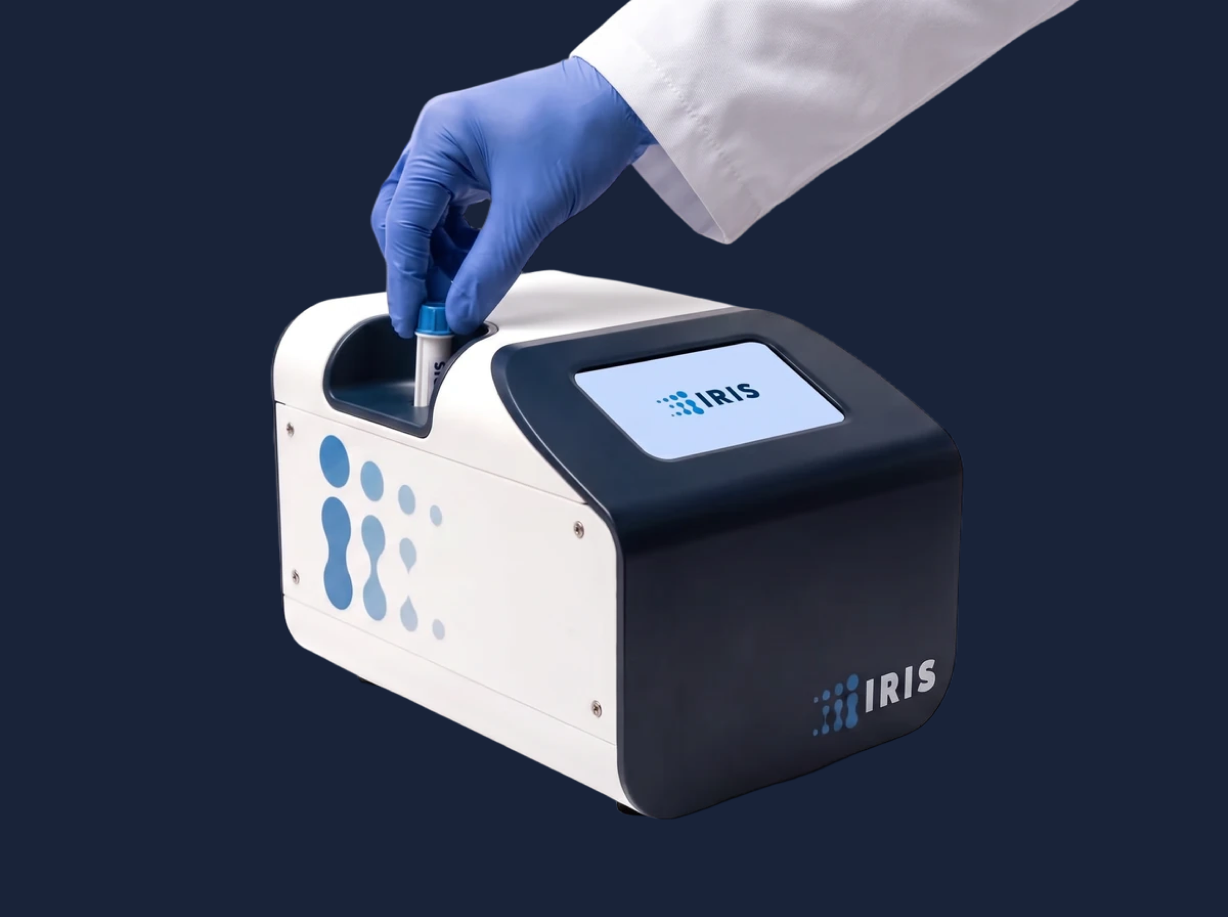
The IRIS TX-100 is in development, is not available for sale, and is not for use in diagnostic procedures.
Specifications
| Time to actionable result | approx. 10 min |
|---|---|
| Sample volume | 25 µL, a single drop of blood |
| Multiplexing | up to 100 biomarkers per test |
| Measurement | Real-time kinetic and endpoint |
| Dynamic range | over 4 logs |
| Cartridge | Single-use, vacutainer-sized tube, with the IRIS chip inside |
| Sample type | Plasma initially |
| Regulatory status | Not cleared or approved by the FDA. Not available for sale. |
A revolutionary story means nothing if the technology can’t deliver.
IRIS instruments run in more than ten research institutions, and independent groups publish results with them: the part of a record a company cannot write for itself. The inventor, Prof. M. Selim Ünlü of Boston University, is the company’s founder, CTO and Executive Chairman. The people on its board read the data before they agreed to be listed.
When measurement stops
being the constraint, the
standard of care changes.
Accurate data has been the bottleneck. IRIS is making a new level of diagnostic and treatment fidelity possible.