
IRIS solves the data bottleneck.
The biology is known.
Thousands of biomarkers are characterized, correlated and published: which proteins rise in sepsis, which combination separates one inflammatory phenotype from another. Decades of work, sitting in the literature.
The models are ready.
Machine learning can read patterns across dozens of markers at once and turn them into a clinical decision. That capability arrived years ago. It is not the constraint.
Nobody has the data.
Generating biomarker data at the volume, speed, and cost the AI models need is too slow and expensive. It requires sending samples out to labs.
IRIS solves the data gap.
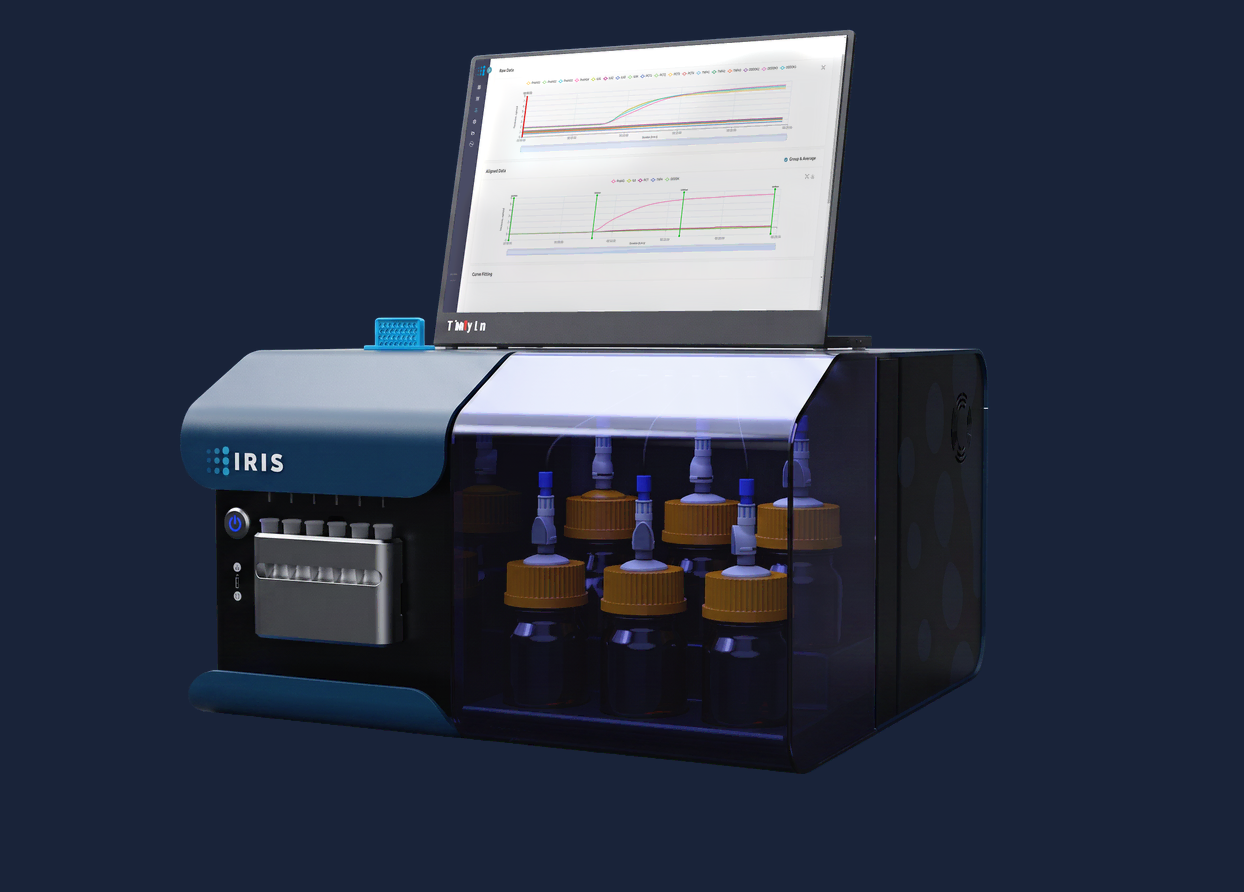
One chip, one sample, up to 100 markers at once in minutes.
TX-100 specificationsRepresentative surface. IL-6 at 6 pg/mm² for 1 ng/mL: Assay Development Gap, 2026. The sub-pg/mm² floor: Mplex, July 2026.
In use at top institutions today.






What that measurement means for care.
Sensitive
At the concentrations that matter, from a single drop of blood.
Low cost
A single-use cartridge with the chip inside.
Where this technology first changes diagnoses.
The first panel is in development now. Every one after it is the same chip and the same workflow carrying a different set of proteins, which is why the list grows without new hardware. What follows is the plan, not a schedule that has been met.
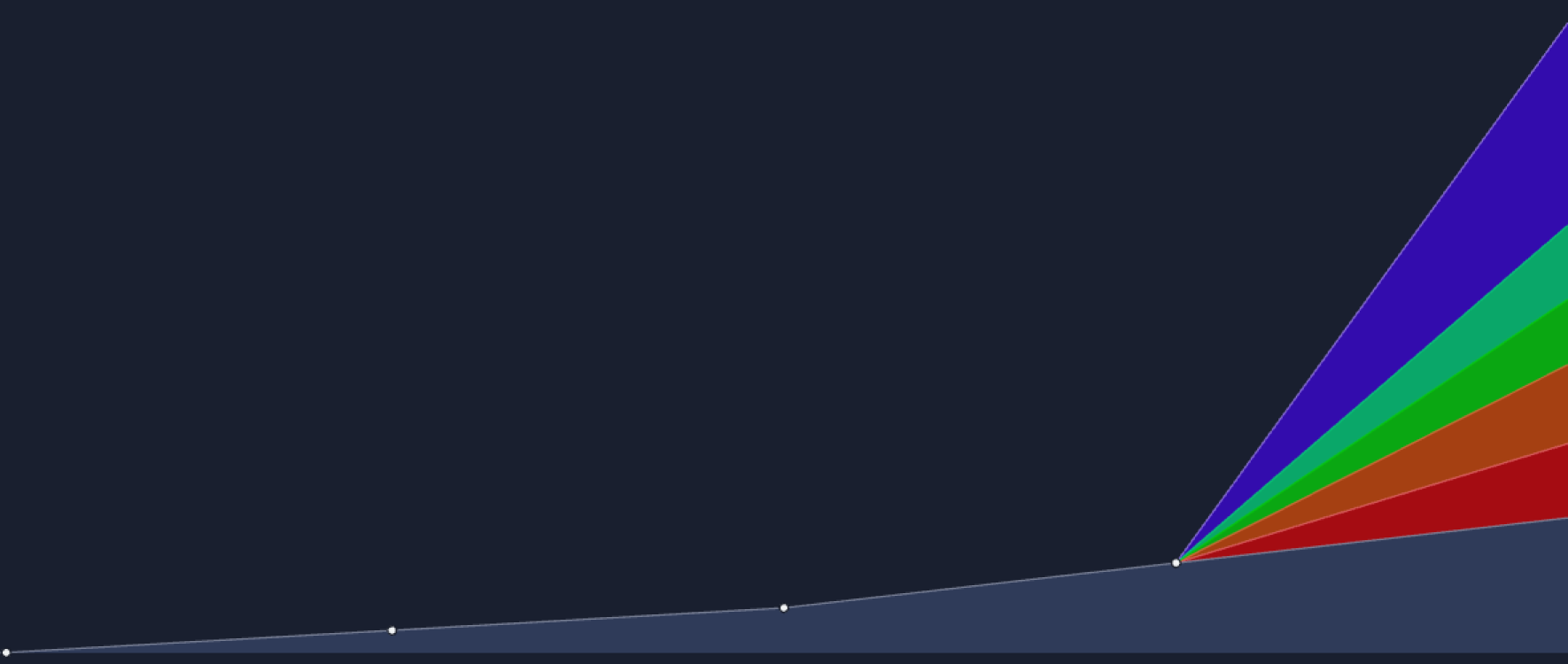
One technology. Three form factors.
The sensor that measures binding kinetics on a lab bench is the sensor that goes into a clinical cartridge. Nothing is reinvented between them, which is why the research business and the diagnostics business are one company. Nothing here waits on a breakthrough either: the chips come off standard semiconductor production lines, the light source runs on off-the-shelf LEDs, and a standard CMOS camera reads the array. Scaling up is a manufacturing job, not new science.
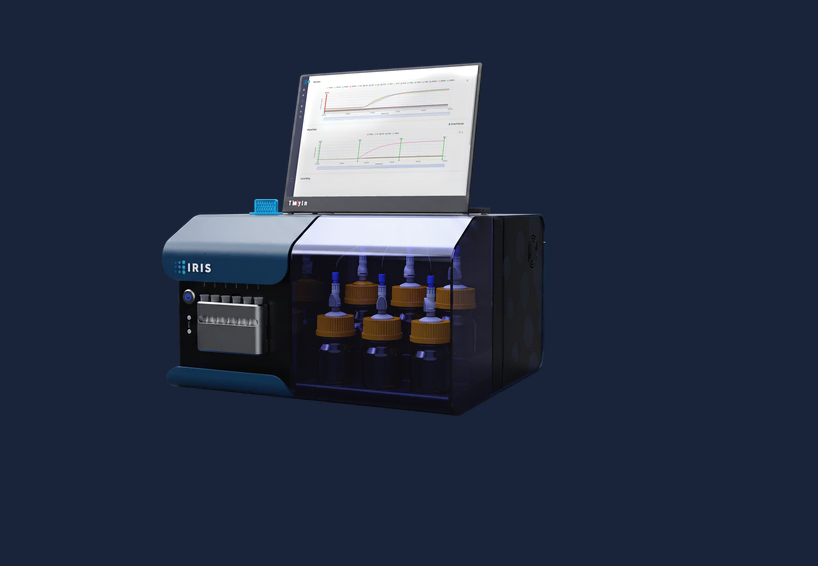
MX
MX means multiplex.
The research instrument. Develop the assay, characterize the binding, prove the panel. This is what ships today.
Shipping · research use onlyThe MX instruments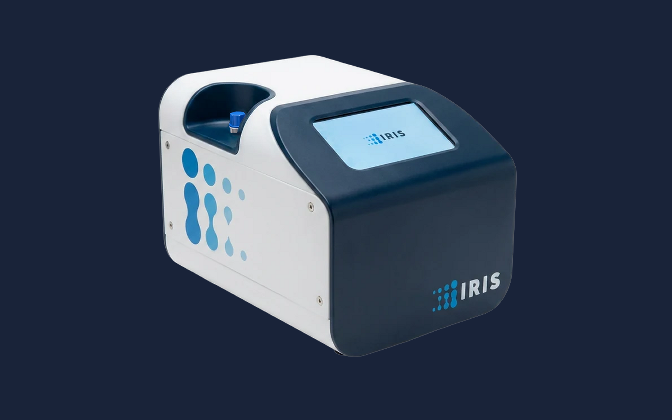
TX
TX means tabletop.
The same chip in a single-use cartridge, read at the point of care in about ten minutes. This is what is being built.
In development · not for saleThe TX-100HX
HX means handheld.
The same measurement, wherever the patient is. This is where it goes next.
RoadmapThe letters are ours, not the field’s. IRIS MX-series instruments and IRIS Chips are for research use only and are not for use in diagnostic procedures. The IRIS TX-100 is in development, is not available for sale, and is not for use in diagnostic procedures. This page describes IRIS Kinetics’ technology and plans. It is not an offer to sell, or a solicitation of an offer to buy, any security. Statements about products in development and future plans are forward-looking and may change.
A panel you can only run in a lab is a panel you run rarely, and never in the hours that decide a case.
IRIS is building the same measurement into an instrument that goes where the decision is made.
